







Search Results for: tourism economy

The Chinese Embassy in Ethiopia has issued a safety reminder: temporarily avoid travel to high-risk areas such as Tigray, affecting the coffee trade and tourism.
Recently, the Chinese Embassy in Ethiopia issued a notice advising Chinese citizens to temporarily avoid traveling to several high-risk areas, including Tigray and Amhara regions. The country's protracted civil war and local armed conflicts continue to spread, not only creating security risks but also severely impacting an economy and tourism industry that rely on coffee and agriculture and animal husbandry as pillars. As the recognized birthplace of coffee, Ethiopia's turbulent situation also affects the travel plans of coffee traders and bean hunters. This article outlines the background of the conflict, its impact on the economy and the coffee industry, and reiterates the embassy's safety recommendations, reminding those planning to travel to the country to remain highly vigilant and ensure their personal and property safety. [more…]
Ecuador's Armed Conflict Coupled with Diplomatic Crisis: Coffee and Tourism Industries Face Chain Reactions
Recently, the Chinese Embassy in Ecuador issued a security alert, noting the frequent violent crimes in the country's coastal areas and advising Chinese citizens and institutions to heighten their vigilance. Behind this warning lies Ecuador's ongoing internal armed conflict and an embassy arrest incident that has sent shockwaves through Latin American diplomacy. As a country dependent on exports of oil, bananas, cocoa, and coffee as well as tourism, Ecuador is facing dual pressures from a deteriorating trade environment and declining willingness among tourists to visit. Although its coffee has gradually risen to prominence in international competitions, attracting many bean hunters to visit, the current situation is undoubtedly casting a shadow over the local coffee industry and tourism economy. [more…]

Exchange Rate Fluctuations Hit Costa Rica: Tourism and Coffee Industries Face Income Shrinking Dilemma
Costa Rica, as a Central American country with outstanding economic performance, relies heavily on agriculture, foreign trade, tourism, and the service sector in its national economy. However, between June 2022 and December 2023, the US dollar to Costa Rican colón exchange rate fell sharply by about 24%, bringing unexpected difficulties to the local tourism and coffee industries. Tourist spending power declined, coffee export earnings shrank, yet the government viewed the colón's appreciation as a sign of economic strength. This article will analyze in depth how exchange rate fluctuations have impacted these two pillar industries, and explore the multiple challenges facing coffee growers. [more…]

Hair Stylist Xiaohua from Huaihua Boosts Local Economy; Guizhou Woman, Unable to Get a Turn in Line, Sets Up a Coffee Stall on the Spot and Earns 700 Yuan a Day
Huaihua in Hunan Province quickly went viral on social media thanks to the sincere service of hairstylist Xiaohua, attracting over 200,000 visits in total, with more than 60 specialty shops already set up locally, and the culture and tourism authorities also rolling out supporting perks such as free admission to scenic spots. Amid this wave of traffic-driven dividends, a woman from Guizhou who had originally planned to get a haircut from Xiaohua queued for several days in a row but failed to get a reservation number, so she simply set up a temporary coffee stand beside her self-driving car, serving passersby pour-over coffee and reaching daily sales of around 700 yuan. This impromptu entrepreneurial move sparked heated discussion among netizens, with some praising her creativity and drive, and others questioning whether it was an elaborately planned marketing stunt. [more…]

Sarawak's Long Banga indigenous community switches to growing Liberica coffee, hoping to enter the international market and boost ecotourism
In the Long Banga area of northeastern Sarawak, Malaysia, indigenous farmers are turning their attention to coffee cultivation, hoping to bring local coffee beans to the international market and to inject new vitality into local tourism through coffee estates. Sarawak's economy has long relied on oil, natural gas, rubber, and hardwood, and excessive logging has brought ecological pressure, with coffee and tourism seen as directions for transformation. The main local crop is Liberica, valued for its tolerance of low altitudes, strong disease resistance, larger fruit, and faster ripening. Although coffee was introduced in the 19th century, it faded into obscurity due to poor management and the priority given to pepper and rubber, and only in 2019 did a turning point arrive. Today, farmers run homestays while growing coffee, and the government also hopes to use historic buildings, rivers, and jungle resources to attract more tourists. [more…]

In which country is Darjeeling black tea produced? How much does this mountain city in India produce annually?
Darjeeling black tea is a specialty of the Darjeeling region in West Bengal, India. This hill town lies on the southern slopes of the Himalayas at an altitude of about 2,100 meters and is known as the "Land of Thunder." The local climate ranges from tropical to sub-alpine, and abundant rainfall and pronounced temperature differences create ideal conditions for tea tree growth. Tea gardens are mostly distributed on hillsides at an altitude of about 1,800 meters. Black tea cultivation is the pillar of the local rural economy, while crops such as rice, corn, and cardamom are also grown. As a famous hill resort, Darjeeling's development is supported jointly by tourism and tea. This article will introduce Darjeeling's geography, history, economic structure, and related product information recommended by Front Street Coffee. [more…]
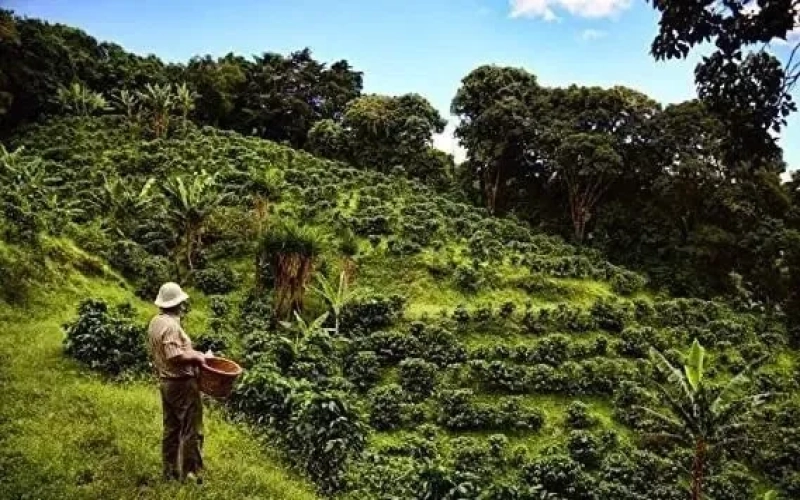
Under multiple pressures, Costa Rica's coffee industry continues to shrink, with production nearly halved compared to the 1990s.
Costa Rica has long been renowned for its deep-rooted coffee tradition and high-quality beans, and coffee cultivation was once a cornerstone of the national economy. In recent years, however, this Central American country's coffee industry has been in steady decline—production has fallen from 3.5 million bags (60 kg/bag) in the 1990s to 1.7 million bags (60 kg/bag) today. Exchange rate fluctuations, policy adjustments, labor shortages, and competition from other coffee-producing countries in the Americas have combined to drive the downturn. At the same time, Costa Rica's economic structure has been transforming rapidly: tourism, pharmaceuticals, and IT are booming, and the service sector now accounts for nearly half of domestic economic output, while agriculture's role is increasingly marginalized. Climate change is affecting coffee quality, geopolitics is driving up the cost of inputs such as fertilizer, and tighter immigration policies are making seasonal labor even scarcer. Looking ahead, industry views are divided: some believe that investment and support can help the industry overcome its difficulties, while others worry that smallholder farmers and traditional growing regions will fall behind in global market competition. This article reviews the current state of and challenges facing Costa Rica's coffee industry, along with related observations from Front Street Coffee. [more…]

Ethiopia Launches Exchange Rate System Reform, Birr Depreciates by 30% in a Single Day, Coffee Exports Face a New Landscape
On July 29, 2024, the National Bank of Ethiopia announced a major overhaul of the country's foreign exchange system, effective immediately, centered on introducing a competitive exchange rate formation mechanism based on market supply and demand. This move was seen as a key step toward resolving the country's long-standing foreign exchange shortage, but it also quickly triggered a sharp currency depreciation—the birr plunged about 30% against the US dollar in a single day. As a major global coffee-producing region, how will this policy shift in Ethiopia affect its coffee industry and the international coffee market? This article will outline the specifics of the reform, the exchange rate movements, and their potential transmission effects on coffee exports and prices. [more…]
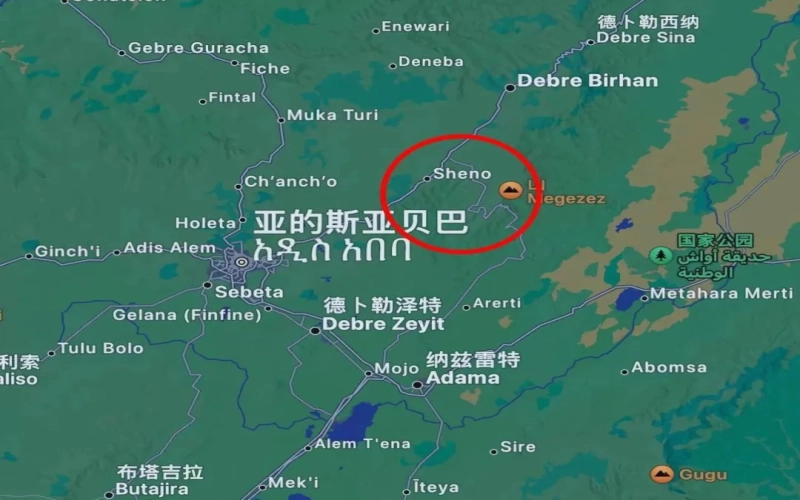
Amhara Conflict Nears Addis Ababa, Intensifying Pressure on the Coffee Export System
The war in Ethiopia's Amhara region has lasted for nearly a year and continues to escalate. Firefights between Fano forces and the government's joint forces have advanced to only about 55 kilometers from the capital, Addis Ababa. Fighting is intense around cities such as Gondar, and government troops have failed to achieve expected results on multiple fronts, with increasing defections among riot police and militia. At the same time, millions of students have been out of school, medical facilities have been damaged, and the region's economy has suffered severe losses. As a pillar industry accounting for as much as 30 to 40 percent of export earnings, the coffee sector is facing multiple shocks, including instability in producing areas, traders withdrawing, the Red Sea crisis, and the suspension of operations at Djibouti's ports, making the supply outlook far from optimistic. [more…]
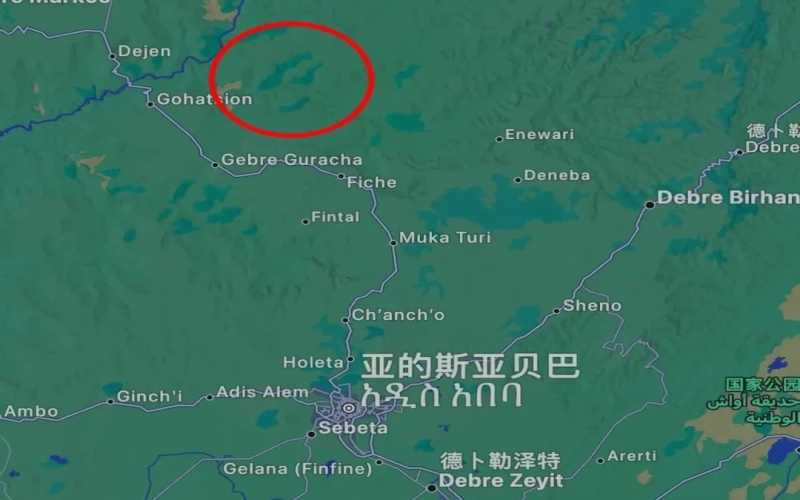
Ethiopian weapons smuggling scandal escalates, casting a shadow over the prospects of Somali port corridors
Armed conflict within Ethiopia continues to spread. Clashes recently erupted in the Dara area of North Shewa Zone, causing civilian casualties and large-scale displacement. Meanwhile, two trucks carrying Ethiopian weapons were intercepted and seized in central Somalia, triggering diplomatic tensions. This series of events could reduce Ethiopia's previously signed agreement with Somaliland on the use of Berbera Port to nothing, while Djibouti Port faces suspension of operations due to the Red Sea crisis. Coffee exports, the backbone of the country's economy, are facing an unprecedented logistics predicament. [more…]

China-Peru FTA Upgrade Negotiations Conclude: Peruvian Coffee Exports Face Opportunities Amid Cold Snap Challenges
China and Peru have substantially concluded negotiations to upgrade their free trade agreement, opening a new chapter in bilateral trade and investment cooperation. During her visit to China, Peruvian President Boluarte actively promoted investment opportunities, while China's ever-growing coffee consumption market has also injected momentum into Peru's coffee exports. In the first quarter of 2024, Peru's coffee export growth rate reached 69%, and the soon-to-be-completed Chancay Port is regarded as South America's gateway to Asia. However, just as El Niño has retreated, La Niña may return, and low temperatures will directly hit the coffee harvest season from May to September. With opportunities and challenges coexisting, Peru's coffee industry is standing at a critical crossroads. [more…]
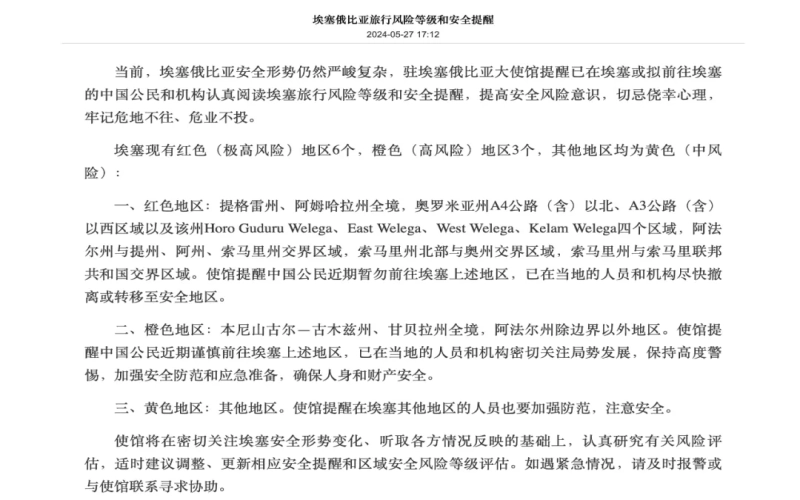
Ethiopia's Worsening Security Situation: Coffee Industry Faces Civil War Shock and Export Test
Ethiopia's security situation has remained tense recently, and the Chinese consulate has issued a travel risk advisory. Several of the country's coffee-producing regions are located in high-risk areas, and clashes between the federal government and local armed groups could deal a severe blow to coffee production, the supply chain, and exports. Although coffee exports hit a record high in the first nine months of this fiscal year, the looming civil war, transport blockades, and the possible cancellation of the Cup of Excellence competition are all casting a shadow over the country's coffee industry. This article will review the current risk areas, the background of the conflict, and its potential impact on the coffee sector. [more…]
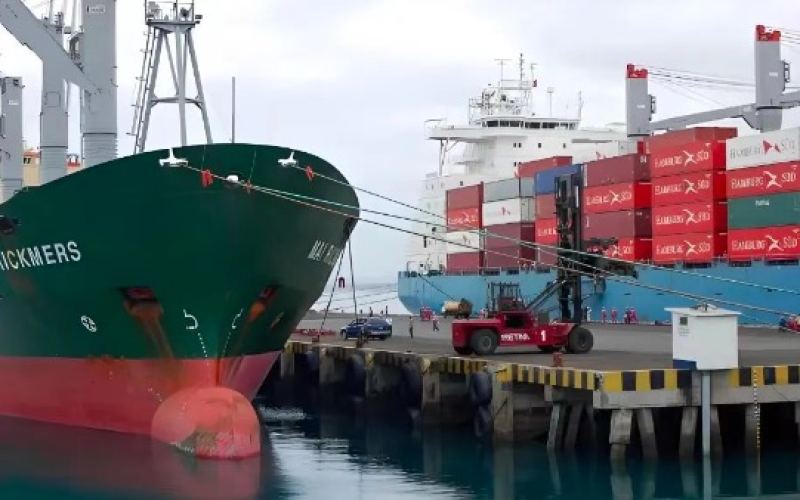
Tomorrow will officially take effect! China and Ecuador mutually cancel tariffs.
According to the news of the Chinese business website, on May 11, 2023, China and Ecuador signed the "Free Trade Agreement between the Government of the People's Republic of China and the Government of the Republic of Ecuador". At present, both China [more…]

Introduction to the varieties in the Kona coffee producing area in Hawaii, USA.
As we all know, coffee is generally grown in the coffee growing zone, that is, the equatorial zone between the north and south tropic lines. However, the United States is not in this range, and the climate conditions are not very suitable for the gro [more…]
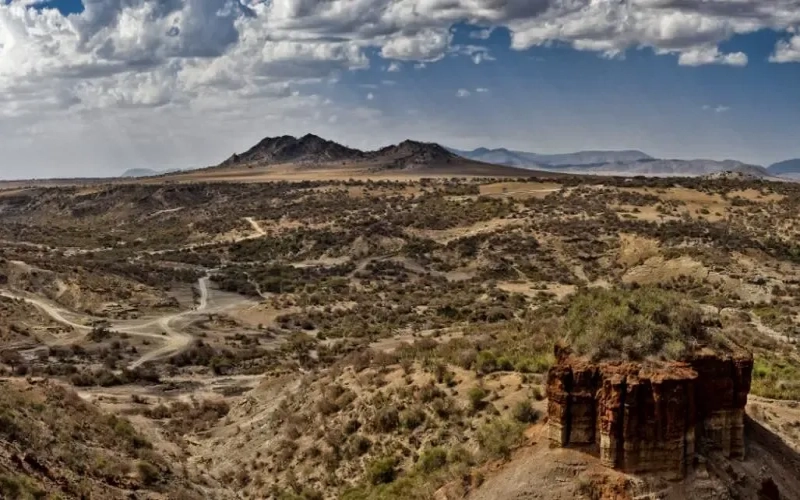
Exploring Tanzania's Mbinga Region: The Geographic and Human Advantages of an Emerging Southern Specialty Coffee Origin
The African continent is not only the birthplace of coffee, but also home to many outstanding coffee-producing countries. As an important origin in East Africa, Tanzania has earned its place in the specialty coffee world with its unique geographical environment and cooperative model. Beyond the well-known Kilimanjaro region, Mbeya in the south is gradually gaining attention. This article will guide you through an overview of Tanzanian coffee and take a deeper look at the geographical advantages, growing conditions, and unique features of the local cooperatives in the Mbeya region, while also sharing the Tanzanian coffee flavor experience recommended by Front Street Coffee. [more…]
A Comprehensive Analysis of Tanzania Kilimanjaro Coffee Beans: Front Street AA Grade Flavor Characteristics and Origin Information
Kilimanjaro coffee comes from the area around Mount Kilimanjaro, the highest peak in Africa, in northeastern 青Tourism. It is one of the most representative top-grade varieties among Tanzania AA coffee beans. The volcanic ash soil gives it a full body and soft acidity, with notes of cocoa fruit, wine, and fruit. It is praised by coffee gourmets as the coffee with the most African character. Front Street Coffee Kilimanjaro has a rich aroma and prominent acidity, making it suitable both for drinking on its own and for use in blends. This article will introduce its producing region background, flavor performance, grade characteristics, and Tanzania coffee culture, taking you through a comprehensive understanding of this African specialty coffee known as the "coffee gentleman." [more…]
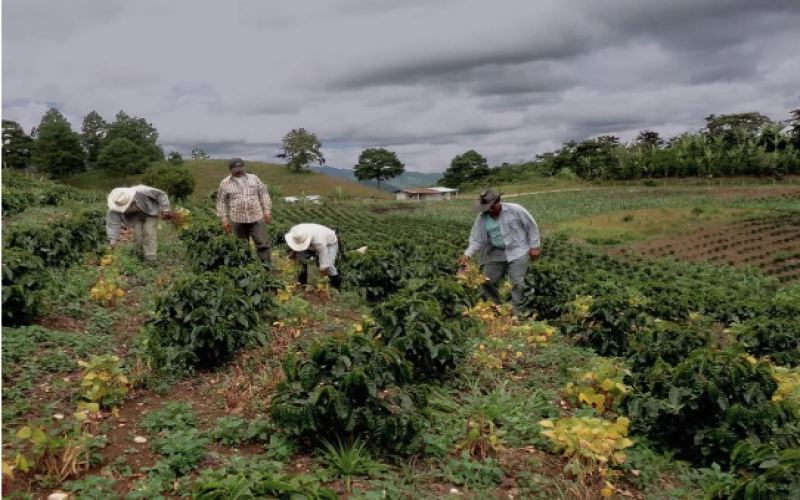
Honduras | Introduction to Coffee Growing Regions and Varieties
The full name of Honduras is the Republic of Honduras (República de Honduras), which is located in the northern part of Central America, bordering the Caribbean Sea to the north, the Gulf of Fonseca on the south side of the Pacific Ocean, and also ad [more…]

Hawaii Kona Coffee Beans: Origin Story, Variety Characteristics, and Pour-Over Parameters Fully Explained
Hawaiian Kona coffee is renowned for its rich malt-sugar sweetness and mellow, balanced flavor, making it a specialty representative in the hearts of coffee lovers. However, in recent years this producing region has faced the threat of leaf rust, and combined with historical pest outbreaks and reduced rainfall, its yield and price have drawn much attention. In this article, Front Street Coffee will guide you through the cultivation story of the Kona region, the characteristics of the Typica variety, the washed processing method, and share Front Street's roasting and pour-over extraction parameters, fully presenting the complete flavor picture of Kona coffee from seed to cup. [more…]
A Comprehensive Guide to Hawaiian Kona Coffee Beans: Regional Grading, Typica Variety, and Brewing Flavor Guide
Hawaiian Kona coffee, with its rich malt sugar aroma and mellow, balanced flavor, has long been favored by coffee lovers and the baristas at Front Street Coffee. However, in 2020, leaf rust appeared in Hawaii for the first time, casting a shadow over the local coffee industry. Coupled with pest outbreaks and reduced rainfall in earlier years, Kona coffee production has remained tight, with prices approaching those of Blue Mountain. This article will systematically sort out the unique qualities of Kona coffee, from producing-region news, historical disasters, Kona's growing conditions, Typica variety characteristics, and washed processing methods, to Front Street Coffee's roasting and brewing parameters, taking you through a comprehensive understanding of the flavor code of this island specialty coffee. [more…]
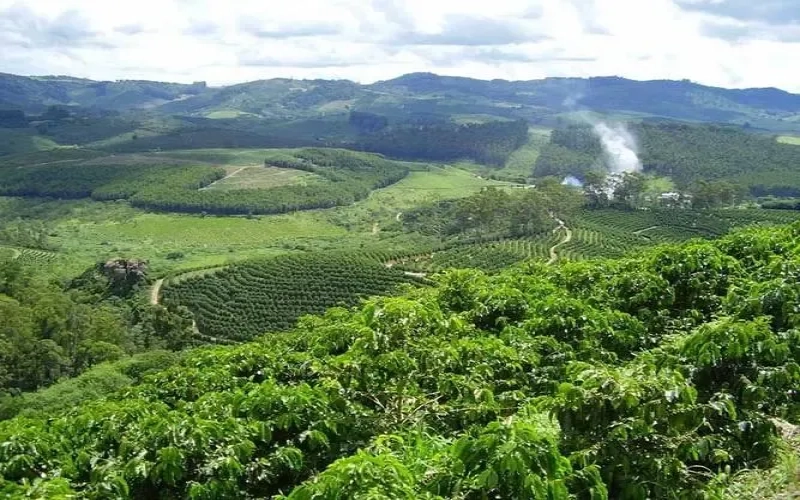
Both Indonesia's Robusta coffee production and exports decline, market expectations unmet
A recent Indonesian coffee industry report released by the U.S. Department of Agriculture shows that Indonesia's coffee production in 2024/25 is expected to recover to 10.9 million bags, of which Robusta is projected to reach 9.5 million bags. However, the reality is not so optimistic: since the beginning of this year, Indonesia has frequently suffered natural disasters such as floods, landslides, and volcanic eruptions, and Sumatra's Robusta exports in May plunged 54% year-on-year. With the aftermath of El Niño still lingering and the threat of La Niña approaching, coupled with rising domestic consumption and exporters holding back sales, the supply outlook for Indonesian Robusta is full of uncertainties. This article will review production, exports, climate, and market dynamics, and include relevant recommendations from Front Street Coffee. [more…]